
How to Barbecue On Outdoor Corten BBQ Grills
The charm of outdoor grilling lies in the crackling flames, the savory aroma of food, and the warm atmosphere of friends and family gathered around. When the grill is crafted from weathering steel, this outdoor feast gains a uniquely distinctive character.Corten steel grills combine exceptional durability, outstanding heat conductivity, and vintage industrial aesthetics. Their 10mm-thick cooking plate ensures even heat distribution, while the 300°C heat resistance accommodates diverse cooking methods. Over time, the steel develops a distinctive patina, transforming the grill into a striking “mobile landscape” in your backyard.
Whether you're a novice griller or a seasoned enthusiast looking to refine your skills, this guide will walk you through the complete process of using a metal bbq grill—from initial seasoning to seasonal recipes—empowering you to master outdoor cooking and enjoy a barbecue experience that's both delicious and visually stunning.
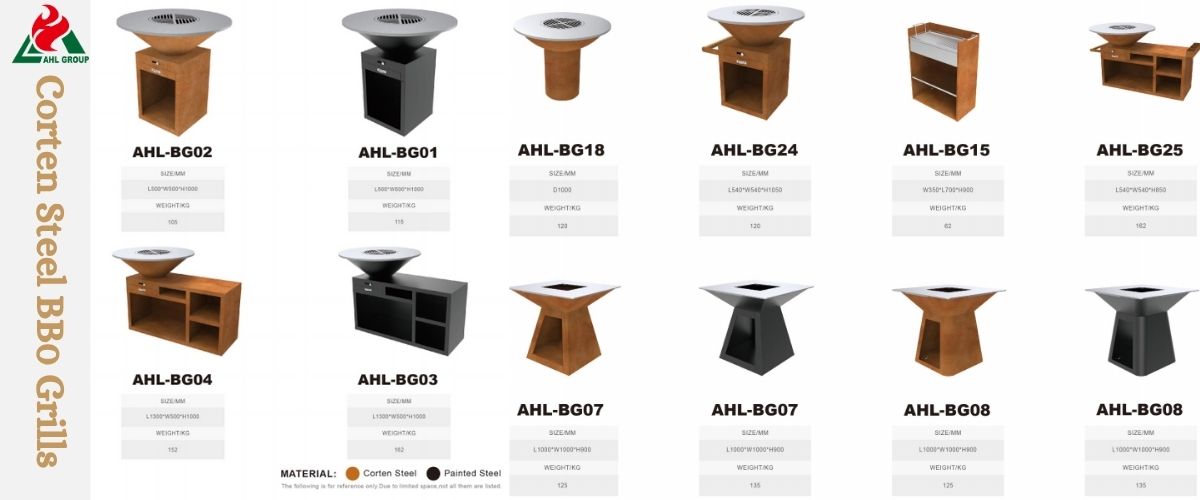
Pre-Grilling Prep: Setting Up Your Corten Grill
Preparation is key to grilling perfection. The unique properties of weathering steel require specific seasoning, safe setup, and tool pairing.
Initial Seasoning: Creating a Natural Non-Stick Layer
The cooking surface of a weathering steel grill requires “seasoning” to develop a protective coating that prevents sticking and rust. Follow these steps:
- Clean the surface: Wipe the cooking plate with warm water and a small amount of mild dish soap to remove the factory protective coating, dust, and grease. Avoid using hard steel wool pads to prevent scratching the surface.
- Apply Oil Evenly: After drying, use a paper towel dipped in high-smoke-point cooking oil (canola, peanut, or grapeseed oil work well) to apply a thin, even layer across the entire surface, ensuring every corner is covered.
- High-Temperature Heating: Light charcoal and heat the grill to 200°C (approx. 390°F). Maintain this temperature for 30-45 minutes to allow the oil to fully penetrate the metal pores.
- Repeat cooling: Turn off the heat and allow the grill to cool naturally to room temperature. Repeat the oiling, heating, and cooling steps 2-3 times. The cooking surface will eventually develop a dark, natural protective coating, completing the seasoning process.
Safe Placement: Minimize Risks, Enjoy Barbecuing with Peace of Mind
While weathering steel grills are sturdy and durable, proper placement is essential for safety:
- Place on a flat, stable, non-flammable surface (e.g., stone slab, metal stand) to prevent tipping.
- Maintain at least 3 meters distance from buildings, trees, curtains, and other flammable materials to avoid fire hazards.
- Check wind direction beforehand to prevent smoke from drifting toward dining areas or indoors during grilling.
- When using in semi-open spaces (e.g., under a canopy), ensure adequate ventilation to prevent smoke buildup;
- Keep a fire extinguisher, bucket, or spray bottle ready to address unexpected fires.
Essential Tools: Enhancing Barbecue Efficiency and Safety
Use the following tools for smoother operation of your weathering steel grill:
- Essential Tools: Long-handled tongs, long-handled spatula (to prevent burns), grill scraper (for cleaning cooking surfaces), heat-resistant gloves;
- Precision Tools: Instant-read thermometer (to gauge food doneness), basting brush (for applying sauces), spray bottle (filled with water to extinguish flare-ups);
- Support Tools: Aluminum drip pan (collects grease, prevents flare-ups), heat-resistant mat (for placing cooked food).
Fuel Selection: Balancing Flavor and Performance
Weathering steel grills accommodate various fuels, though each affects taste and heating efficiency:
- Preferred: Charcoal briquettes – Higher, cleaner burn adds natural charcoal aroma. Fast heating ideal for quick grilling steaks and burgers.
- Alternative: Charcoal briquettes – Longer burn time and consistent heat suitable for slow-cooking ribs and large cuts of meat.
- Flavor Enhancers: Add small amounts of hardwood chunks (e.g., oak, apple, cherry) for distinctive smoky notes.
- Important Note: Never use lighter fluid or chemical fire starters. These not only compromise food flavor but may also damage the seasoning layer on the cooking surface.
Step-by-Step Barbecue Process: Tips for Using Weathering Steel Grills
Once prepared, embark on your grilling journey. Master these steps for even heat distribution and enhanced flavor.
1. Preheat: 15-20 Minutes To Ensure Uniform Heating
After lighting the charcoal, avoid rushing to place ingredients. Allow the grill to preheat thoroughly for 15-20 minutes.
Corten steel excels in heat conductivity. A 10mm-thick cooking plate, once preheated, achieves uniform surface temperatures across its entire area. This prevents localized overheating that can cause undercooked or charred food. After preheating, the cooking plate surface reaches 300°C, suitable for grilling, roasting, searing, and more.
2. Creating Heat Zones: Zone Cooking for Different Ingredients
Divide the grill into “direct heat zone” and “indirect heat zone” based on cooking requirements, adapting flexibly to different grilling methods:
- Direct Heat Zone: Concentrate charcoal for higher temperatures, ideal for searing ingredients like steaks, lamb chops, burgers, and vegetable skewers to lock in juices.
- Indirect Heat Zone: Distribute coals on both sides with a drip tray in the center. This moderate temperature is perfect for slow-cooking large cuts like whole chicken, pork ribs, or roasts, preventing charred exteriors and undercooked interiors.
3. Cooking Techniques: Master the Details for Professional Results
- Two-flip rule: While tradition advises flipping ingredients only once, with a weathering steel grill, flipping twice ensures even cooking and prevents scorching. Use long-handled tongs to gently lift and turn—avoid pressing down to retain juices.
- Timing for Sauce Application: Apply sugary sauces (like barbecue sauce) near the end of cooking to prevent premature caramelization that spoils taste and appearance.
- Utilize the Drip Pan: Position the drip pan beneath the indirect heat zone to collect dripping fats. This prevents flare-ups and keeps the grill clean.
Temperature Control Techniques: Precise Adjustments for Different Ingredients
- Coal Pile Temperature Control: Concentrate coals for higher heat; spread them out for lower heat. Fine-tune flame intensity by adjusting coal distribution.
- Lid Usage Techniques: Closing the metal bbq grill lid traps heat and smoke, promoting rapid cooking with smoky flavor—ideal for slow-cooking. Opening the lid is ideal for grilling that requires monitoring, creating beautiful char marks on the surface.
- Ventilation Adjustment: Control airflow through the vents at the bottom of the grill to regulate charcoal intensity—open wider for stronger flames, close tighter for gentler heat.
Maintenance and Care: Key to Extending the Lifespan of Corten BBQ Grills
While weathering steel barbecue grills require minimal maintenance, proper cleaning and care ensure optimal performance and extended longevity.
1. Post-Cooking Cleaning
Clean while the cooking surface is still warm (not hot to the touch) for easier removal of food residue.Scrape off surface debris with a grill-specific scraper, then wipe clean with a damp cloth.
Avoid high-pressure water jets or abrasive cleaners, as these can damage the cooking surface's natural non-stick layer and the weathering steel's protective patina.
2. Daily and Long-Term Maintenance
After each cleaning, once the cooking surface is completely dry, apply a thin layer of cooking oil to re-seal the protective coating and enhance non-stick performance for next use.Perform deep cleaning every 3-6 months: Wipe the cooking plate, grill body, and supports with warm water and a small amount of dish soap to remove stubborn grease. Rinse thoroughly with clean water, allow to air dry completely, then apply oil for maintenance.
Regularly inspect the grill's connecting parts (screws, supports) to ensure they are secure. Tighten any loose components immediately.
Weathering steel's rust layer requires no special treatment—it's a natural protective coating that develops character with use.
3. Weather Protection
Place in a well-drained area to avoid rainwater accumulation inside the grill, which can cause bottom corrosion;
Keep away from corrosive substances like fertilizers and cleaning agents to prevent destabilizing the rust layer;
No special winter storage required—weathering steel withstands cold, ice, and snow. Leave outdoors; never cover with airtight plastic, as trapped moisture accelerates localized rusting.
Pro Tips: Maximizing Your Corten Grill's Performance
Master these advanced techniques to unlock your weathering steel grill's full potential and achieve restaurant-quality results:
- Wait for charcoal to turn ash: After lighting charcoal, do not immediately place ingredients. Wait until a layer of white-gray ash forms on the charcoal surface—this indicates stable heat and even temperature, ideal for grilling.
- Keep a grilling log: Record ingredient types, cooking temperatures, times, and texture outcomes in a notebook or on your phone. This allows precise adjustments and continuous optimization for future grilling sessions.
- Embrace patina evolution: The rust layer on weathering steel gradually transforms over time, shifting from light reddish-brown to deep brown. Each grill develops a unique patina—no need to deliberately polish or remove it.
- Modular upgrades: Leverage the modular design of weathering steel grills by adding accessories like side tables and storage racks to enhance convenience and build your custom outdoor kitchen.
Frequently Asked Questions for Corten BBQ Grills
1. Does The Rusted Steel BBQ Grill Require Regular Seasoning?
Frequent seasoning is unnecessary. If the cooking surface shows minor sticking, clean it, apply a thin layer of oil, and heat it at low temperature for 10 minutes. If the coating is severely damaged (e.g., scratched by a steel wool pad), follow the initial seasoning steps to re-treat it.
2. Can Chemical Cleaners Be Used On Corten Steel Grills?
Not recommended. Chemical cleaners damage the natural non-stick layer and may corrode the protective rust patina, shortening the grill's lifespan. Use warm water, mild dish soap, and a cloth for routine cleaning. Stubborn grease can be removed through deep cleaning.3. Can a Weathering Steel Grill Be Left Outdoors Year-Round?
Yes. Weathering steel's core advantage is its weather resistance, capable of withstanding high and low temperatures, rain, snow, salt spray, and other environmental conditions. Leaving it outdoors year-round won't cause rust damage; instead, it allows the patina to develop more naturally and evenly.4. Will The Cooking Plate Of a Weathering Steel Grill Warp?
No. Weathering steel boasts excellent tensile strength and high-temperature resistance. The 10mm-thick cooking plate maintains structural stability and won't warp from high heat or repeated heating/cooling cycles during normal use.
Bonus: Troubleshooting Common Issues With Corten Steel Grills
- Uneven heating: Check if charcoal is distributed evenly. If one side is excessively hot, reposition the coals. If the cooking plate remains cold in spots, blocked vents may be the cause—simply clear them.
- Food sticking: Likely due to insufficient seasoning or lack of oil after cleaning. Re-season as instructed, or lightly oil food surfaces before grilling.
- Uneven Patina: If rust layers appear unevenly darkened on the grill, this may result from poor ventilation or prolonged water exposure. Relocate the grill to ensure overall ventilation and dryness; the patina will gradually even out with continued use.
Ready to Pick a Corten BBQ Grill and Enjoy The Outdoor Cooking Fun It Brings?
The key to using a weathering steel grill lies in “proper seasoning, smart temperature control, and simple maintenance.” It requires no complicated operations, yet delivers delicious, ritualistic outdoor grilling thanks to its excellent heat conductivity, durability, and aesthetic appeal.
From spring's fresh vegetables to winter's hearty meats, from beginner to advanced, a weathering steel grill will accompany you through countless cozy outdoor gatherings. It's not just a cooking tool—it's a timeless piece of art for your backyard, its unique patina growing more captivating with each use.
Contact us now to receive a complimentary copy of our latest grill catalog and pricing!
Home & Garden
- BBQ grill
- corten steel metal planter for outdoors
- garden bollards lights
- garden screens
- steel tree grates
- fire pit
- garden sculptures and statues
- garden water fountain
- garden edging
- bio ethanol fireplace
- Corten Fence Panels
- Corten Steel Water Features Manufacturers, Suppliers, Factory & Exporters | AHL Group
- Corten Steel Gardening Products
- Corten Steel Garden Edging
- Metal Gas Water Fire Fountain
- Corten Exterior Cladding
Mild Steel
Stainless Steel
Aluminum Sheet
Steel Processing & Services
News


 Get a quote, Now!