
How to Use Corten Steel Edging in Your Garden Design
A well-designed garden relies on clear boundary definition and harmonious element pairing. Weathering steel edging serves as the secret weapon that balances durability, aesthetics, and practicality.Unlike ordinary materials prone to wear and tear, weathering steel undergoes natural evolution over time. Its distinctive rust patina enhances the garden's beauty year after year. This comprehensive guide details how to incorporate weathering steel edging into garden design, covering creative applications, core advantages, installation essentials, and professional maintenance techniques to help you create an outdoor space that blends style with longevity.
Whether you're a DIY gardening enthusiast, a professional landscape designer, or a homeowner seeking low-maintenance upgrades for your garden, this guide offers practical, actionable solutions.
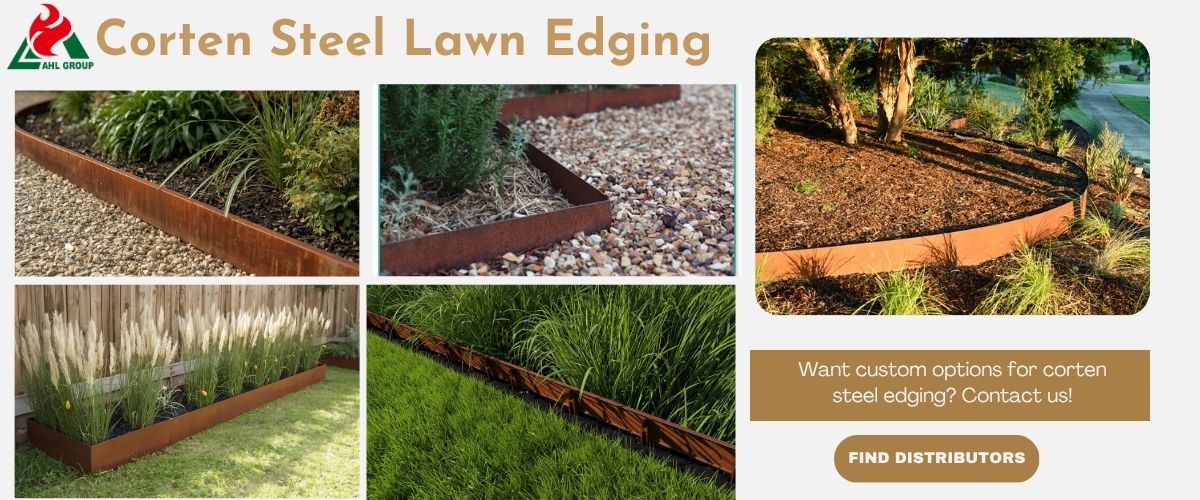
Why are Corten Steel Edgings the Preferred Choice for Garden Design?
Core Advantages of Weathering Steel Edgings
1. Timeless rust patina aesthetics: Naturally develops a warm terracotta-hued rust layer that not only possesses unique texture but deepens in character over time. No fading concerns—it gains character with use.
2. Exceptional Weather Resistance: Withstands extreme conditions including torrential rain, intense heat, and bitter cold without damage, maintaining structural integrity;
3. Eco-Friendly Durability: Outlasts plastic, timber, and standard steel with minimal replacement needs, reducing material waste as a sustainable long-term landscaping solution;
4. Versatile Styling: Seamlessly integrates with modern, rustic, traditional, minimalist, and other garden aesthetics, offering exceptional compatibility;
5. High Design Flexibility: Easily formed into straight lines or gentle curves, adapts to slopes and uneven terrain, effortlessly achieving professional-grade landscaping effects.
Weathering Steel vs. Low-Cost Alternatives (Plastic/Wood/Standard Steel)
Many hesitate over weathering steel's higher initial cost, yet its long-term value far surpasses cheaper materials:
Cost-effectiveness: Plastic and wood offer lower upfront prices but fade, crack, or rot, requiring frequent replacement. Weathering steel demands greater initial investment but incurs minimal maintenance costs, proving more economical over time;
Durability: Plastic becomes brittle under sunlight, timber succumbs to insect damage and decay, while ordinary steel rusts; weathering steel's protective patina prevents internal corrosion, yielding a lifespan far exceeding all three;
Aesthetics: Plastic and timber offer limited designs with ordinary textures; weathering steel's distinctive patina lends gardens an air of sophistication and natural charm, an effect cheap materials cannot replicate.
Creative Applications for Edging Unlock Diverse Garden Possibilities
Defining Borders for Planting Beds and Flowerbeds
This represents the most fundamental yet classic use of weathering steel edging, creating clean, defined boundaries for flowerbeds, shrubbery, and ornamental plants.
Practical tips:
- Size selection: 100–150mm height suits standard flowerbeds and lawn edges; 1.5–2mm thickness adequately meets typical garden requirements.
- Key advantages: Effectively prevents soil erosion, anchors plant growth boundaries, and creates striking visual contrast between the steel's patina and green foliage, enhancing landscape depth.
Outlining Pathways, Terraces and Driveway Edges
Framing pathways, terraces or driveways with weathering steel edging lends these areas a more defined appearance while enhancing durability.
Practical Tips:
- Dimension Selection: For high-traffic areas, opt for 3mm thickness (for enhanced wear resistance), with heights typically ranging from 100-150mm;
- Styling: Curved designs suit winding paths, while straight lines complement modern terraces to match diverse aesthetics;
- Key advantages: Resists abrasion and compaction, maintaining edge integrity long-term while adding natural texture to hardscapes.
Defining Functional Zones in Gardens
For larger gardens, weathering steel edging delineates distinct areas (e.g., dining zones from vegetable patches, play areas from flowerbeds), creating clearer spatial organisation.
Practical Techniques:
- Design Principle: Employ uniform-sized weathering steel edging throughout the garden to ensure stylistic consistency;
- Pairing suggestions: Lay gravel or mulch between zones to further emphasise separation;
- Core advantages: Creates a tidy, orderly garden with clearly defined functional areas, enhancing both usability and aesthetics.
Edging Decorative Garden Ponds and Water Features
Weathering steel edging serves as an ideal decorative and structural material for garden ponds, birdbaths, fountains, and other water features.
Practical tips:
- Installation Key Points: Ensure edges are securely fixed to withstand water pressure impacts;
- Important Reminder: Fish keeping is not recommended in ponds enclosed by weathering steel edging—the rust layer may acidify water, harming aquatic life;
- Core Advantages: Prevents pond water leakage; rust-toned texture blends naturally with water features, creating a tranquil and elegant atmosphere.
Constructing Raised Vegetable/Herb Beds
Construct elevated planting beds using weathering steel edging, ideal for cultivating edible plants like vegetables and herbs while reducing the strain of bending over.
Practical Techniques:
- Dimension Selection: 290mm height accommodates soil volume and plant growth; 2-3mm thickness ensures structural stability;
- Installation Steps: Dig a trench 6 inches deep and 18 inches wide, levelling the base; Place and secure the weathering steel edging, backfill with soil, then thoroughly water and compact;
- Safety Note: Weathering steel is entirely safe for vegetable cultivation; its rust layer does not leach harmful substances into the soil.
Creating Boundaries for Outdoor Kitchens/Dining Areas
Outline the perimeter of outdoor kitchens or dining areas with corten steel lawn edging to cultivate a vintage, sophisticated ambience while enhancing spatial definition.
Practical Tips:
- Dimension Selection: Opt for 3mm thickness to withstand outdoor conditions and frequent use;
- Pairing Solutions: Combine with paving stones or tiles; the rust layer provides slip resistance for enhanced safety;
- Core Advantages: Heat-resistant and corrosion-proof, it thrives in demanding outdoor kitchens while lending warmth to dining areas.
Constructing Fire Pits and Seating Areas
Flexible metal garden edgings can serve as edging for fire pits or frame built-in seating zones (e.g., areas surrounding fire pits or garden loungers).
Practical Tips:
- Material Advantages: Weathering steel's exceptional heat resistance makes it a safe and reliable choice for fire pit edging;
- Styling suggestions: Pair with cushions or stone slabs for seating comfort; the rusted patina enhances evening gatherings' ambience;
- Core advantage: Exceptional durability withstands prolonged exposure to heat and outdoor elements, making it an ideal decorative and structural material for outdoor entertainment areas.
Corten Steel Edging Specification Guide: Selecting the Correct Dimensions is Key
Standard Specifications and Customisation Options
| Specification Type | Available Range | Suitable Scenarios |
| Height | 100mm, 150mm, 290mm | 100-150mm: Lawn/flower bed edging; 290mm: Raised planting beds |
| Thickness | 1.5mm, 2mm, 3mm | 1.5-2mm: Regular scenarios; 3mm: High-traffic areas/driveways |
| Length | Multiple standard lengths + custom sizes available | DIY small projects or large-scale landscape designs |
Core Principles for Size Selection
- Select dimensions based on application: Use smaller sizes for standard edging, larger sizes for raised beds and high-traffic areas;
- Match thickness to usage intensity: Choose 3mm thickness for high-frequency, high-stress areas (e.g., driveways); 1.5-2mm suffices for standard flowerbeds;
- Consult professionals for challenging terrain: For sloped or severely uneven gardens, seek landscape designer advice to determine suitable specifications.
Weathering Steel Edging Installation Guide
Pre-installation Preparation
Tools required: Trenching spade, spirit level, tamper, fixing stakes (for reinforcement), soil/gravel;
· Site preparation:
1. Mark edging route using string or spray paint;
2. For uneven ground, clear debris, assess gradient, and plan layout.
Detailed Installation Steps
1. Trench Excavation: Dig a trench 6 inches deep and 18 inches wide (depth may be adjusted slightly based on edging height);
2. Trench Bed Preparation: Lay a layer of gravel at the bottom of the trench, compact and level it with a tamper to enhance stability;
3. Edging Placement: Bend the weathering steel into the desired shape (straight or curved) and position it within the trench;
4. Secure and reinforce: Anchor the metal edging with fixing stakes every 2-3 feet (approx. 60-90 cm), particularly on sloping terrain;
5. Backfill and compact: Refill the trench with soil, compacting thoroughly with a tamper to ensure edging stability;
6. Final inspection: Verify levelness with a spirit level, then water generously to allow soil settlement and fixation.
Installation Techniques for Slopes/Uneven Ground
- Utilise the flexibility of weathering steel to conform to terrain contours, avoiding forced straightening that causes deformation;
- Increase fixing stake density on steep slopes and perform multiple compaction passes during backfilling to enhance stability;
Corten Steel Edging Maintenance Guide: Hassle-Free and Long-Lasting
Basic Maintenance Requirements (Minimal)
- Routine cleaning: Periodically rinse with clean water to remove surface dust and debris; avoid abrasive cleaners.
- Patina maintenance: No painting or staining required. The naturally formed rust layer provides optimal protection, autonomously preventing further corrosion.
Special Environment Care Considerations
- Coastal regions: Once the rust layer is fully established, apply a sealant to enhance resistance to salt spray corrosion and extend service life.
- Extreme Climate Zones: No additional maintenance required; weathering steel naturally withstands severe weather including torrential rain, intense heat, and bitter cold.
Long-Term Maintenance Recommendations
- Annual Inspection: Check fixed posts annually for loosening; reinforce immediately if found loose. Replenish and compact backfill where significant soil erosion occurs.
- Precautions: Avoid abrasive cleaners, as these may damage the protective patina and compromise weather resistance.
Frequently Asked Questions Regarding Weathering Steel Edging
Q1: Is Corten Edging Suitable For Vegetable Gardens? Is It Safe?
A: It is entirely suitable and safe. The rust layer of weathering steel does not leach harmful substances into the soil and does not affect the growth of edible plants such as vegetables and herbs, making it an ideal edging material for vegetable gardens.
Q2: How Long Do Rusted Steel Edgings Last?
A: With proper installation and minimal routine maintenance, weathering steel edgings can endure for decades. Consult landscape material suppliers or professional designers to assess suitability for your specific garden project.
Q3: How Much More Expensive are Edgings Than Plastic or Timber? Are They Worth the Investment?
A: The initial cost of weathering steel edging is indeed higher than plastic or timber. However, it proves highly worthwhile in the long term. Its durability and low-maintenance nature significantly reduce replacement frequency and subsequent expenditure, offering far better value for money than cheaper alternatives.
Q4: Does Weathering Steel Require Special Maintenance?
A: No. Occasional cleaning with plain water suffices for routine care. In coastal areas, applying a sealant once the rust layer is fully formed can further extend its lifespan.
Q5: Will Weathering Steel Stain Nearby Patios or Walls?
A: During the initial rust layer formation, minor rust seepage may occur, potentially staining adjacent surfaces. This can be mitigated by applying sealant or installing a barrier layer between the edge and walls/patios.
Q6: Can Rusted Steel Edging Withstand Extreme Weather Conditions?
A: Yes. Weathering steel is specifically engineered to endure harsh environments, easily withstanding torrential rain, intense heat, and bitter cold without compromising structural integrity.
Q7: How Should Corten Edging Be Installed On Uneven Ground?
A: Utilise the material's flexibility to conform to the terrain's contours; level the trench base with crushed stone; additional fixing posts for reinforcement; strictly follow installation guidelines to ensure stability.
Q8: What Advantages Does Corten Steel Offer Over Cheaper Materials Like Plastic or Timber?
A: It comprehensively outperforms in durability, weather resistance, and aesthetic appeal. While the initial cost is higher, it eliminates the need for frequent replacements, resulting in extremely low long-term maintenance costs. It also enhances the sophistication and value of your garden, making it a wiser long-term investment.
Why Invest In Corten Steel Edging for Your Garden?
1. Aesthetic longevity: The rust patina develops unique character over time, adding natural texture to your garden and distinguishing it from the monotonous appearance of ordinary materials;
2. Low-maintenance durability: Minimal upkeep requirements and an exceptionally long lifespan save time and money on future replacements and maintenance;
3. Design Flexibility: Adaptable to any garden style and terrain, allowing freeform shaping to create bespoke landscapes;
4. Eco-Friendly Sustainability: Reduces material replacement frequency and waste, aligning with green garden design principles;
5. Value Enhancement: Elevates the garden's overall style and curb appeal, indirectly increasing property value.
Home & Garden
- BBQ grill
- corten steel metal planter for outdoors
- garden bollards lights
- garden screens
- steel tree grates
- fire pit
- garden sculptures and statues
- garden water fountain
- garden edging
- bio ethanol fireplace
- Corten Fence Panels
- Corten Steel Water Features Manufacturers, Suppliers, Factory & Exporters | AHL Group
- Corten Steel Gardening Products
- Corten Steel Garden Edging
- Metal Gas Water Fire Fountain
- Corten Exterior Cladding
Mild Steel
Stainless Steel
Aluminum Sheet
Steel Processing & Services
News
 Get a quote, Now!